
A parishioner is seeking a room to let. This is for a catholic lady who is returning to the island in Mid-November. Please if anyone has a spare room available or does know of one please do contact the parish office in the first instance. Thank you so much.
News

Le Platon Lottery Results – Sept
Le Platon Lottery results for the September draw –
1st – 94 – £100
2nd – 16 – £50
3rd – 03 – £25
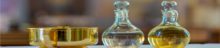
The Annual Parish Service of Healing & Blessing – 24th Oct – 2:30pm – Our Lady Star of the Sea
The Annual Parish Service of Healing and Blessing will be held on Saturday 24th October at 2:30pm in Our Lady Star of the Sea.
Light refreshments afterwards in the Alzheimer’s Centre.
If you would like to take part in this beautiful service and need a lift to get there, please contact the following as soon as possible –
Angela – Tel: 07781 112 221
Meg – Tel: 01481 252401
Everyone is welcome.
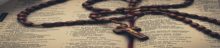
Rosary – Beatification of Edel Quinn – 25th Oct – 2:30pm – St Josephs Parish Room
Rosary for the Beatification of Edel Quinn (Legion of Mary) will take place on Sunday 25th October at 2:30pm in St Josephs Parish Room.
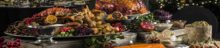
Parish Christmas Lunch – 06th Dec – 12:30pm – Les Rocquettes Hotel
The Parish Christmas Lunch menus are now available – Sunday 06th December at 12:30pm at Les Rocquettes Hotel.
We ask that all those attending have their menus handed into the Parish Office by Sunday 22nd November latest please.
A raffle will also take place. Please if anyone can donate a prize it would be very much appreciated, these can be left at the Parish Office.

Bible Alive & Day By Day Books
The new Nov/Dec double edition bible alive and November day by day is now in the box at the repository in St Joseph’s Church.
Payment can be placed in the money box on the wall in the church porch or by using the Dona Machines.

To All Church Volunteers
Changes have been made to the Disclosure and Barring Services Update Service (DBS), to which many volunteers already subscribe. To keep DBS Certificates up to date the Update Service are sending emails to volunteers 30 days before their certificates are due for renewal, dates are based on your joining date. This email will ask volunteers to access their Update Service Account and confirm. In preparation for this change DBS advises volunteers to check that the email address attached to their subscription is the correct email address. For those who confirm, this request will be repeated annually. If no confirmation is made, their volunteer subscription will automatically be cancelled. Volunteers who do not renew their subscription will not be able to keep their DBS certificate(s) up to date and organisations will not be able to check them. They will need to reapply for a DBS as per a new applicant if they need one in the future. It is the policy of the Catholic Church to renew DBS checks every 3 years, this is a separate requirement to that of the DBS in renewing the Update Service subscription on an annual basis. We recommend writing the date of your renewal on a calendar or dairy. Please do check your emails as they may automatically go into your junk or Scam mailbox, your DBS Certificate is personal to you, so if you have a query you can ring the DBS on 0300 020 0190 or enquires to www.gov.uk Click for Update Service. Thank you.

First Holy Communion Preparation Programme
Dear Parents and Carers, We are delighted to announce the start of our First Holy Communion preparation programme for 2026–2027 in the Parish of Our Lady and the Saints. There will be some changes to the programme this year, with both children and parents taking an active part in the preparation.
All parents wishing to enrol their child must attend our introductory meeting on Tuesday 3rd November from 6:00pm-7:00pm at Notre Dame School Hall, next to St Joseph’s Church. The meeting will be led by Fr Marcin, who will also be leading the First Holy Communion preparation programme. During the meeting, we will explain the programme, share the dates and outline the commitment involved for children and their families. Registration forms will be completed at the meeting.
The programme will begin on Tuesday 17th November, from 6:00pm–7:20pm, for both parents and children. Sessions will take place on Tuesday evenings, following the schedule shared at the introductory meeting. We look forward to welcoming you and sharing this important journey of faith together. If you have any questions, please contact the Parish Office.
With every blessing, Fr Marcin

Confirmation Preparation – Jan 2027
Confirmation preparation starts in January for young people in Year 8 and above who would like to be confirmed in 2028, or don’t necessarily want to be confirmed but just want to explore more about their faith.
Contact Tom – Tel: 07781 129310 / E-mail: youth@catholic.org.gg

Hospital Admissions
If you, or any of your family or friends are in hospital or due to go to hospital, please let the parish office know.
This is currently the only way that the clergy are aware of a Catholic being admitted.